
Case studies · Proven results in mid-market sales
Business Sale Case Studies
See how Morgan Business Sales has guided Australian business owners from preparing for sale to settlement. Each case study sets out the challenges, the strategy and the measurable result, from engineering consultancies and trades to healthcare and education.
Recent sales
Browse Our Case Studies
Every sale is different. Filter by industry to find businesses like yours, then read how the sale was prepared, marketed, negotiated and closed. Names of buyers, sellers and exact locations are kept confidential.
-
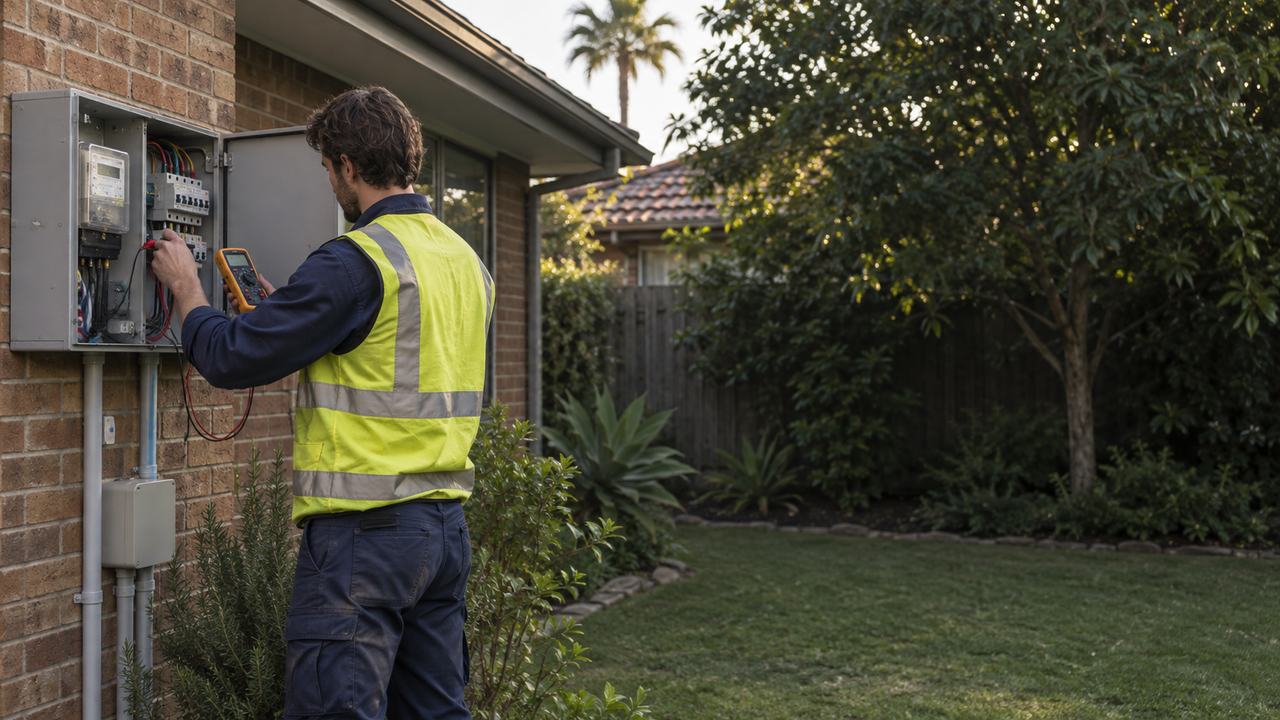
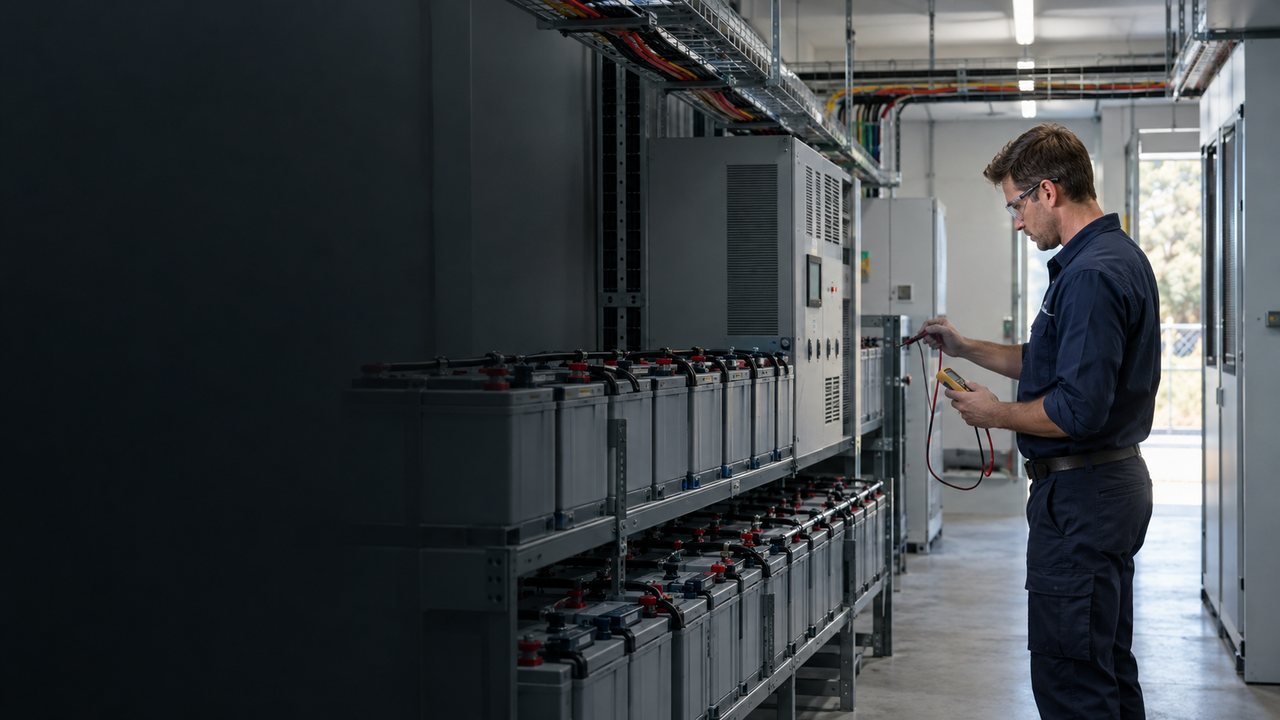
Sale of a National Electrical Field Services Business
Settled September 2026
A founder-owned business sold through a competitive, confidential expressions of interest process, and the sale settled months ahead of schedule.
- Enterprise value
- $30M+
- Above first offer
- 30%+
- Launch to signed offer
- 59 days
- Staff kept on
- 100%
Lead brokerSean Wolrige
Read the case study -
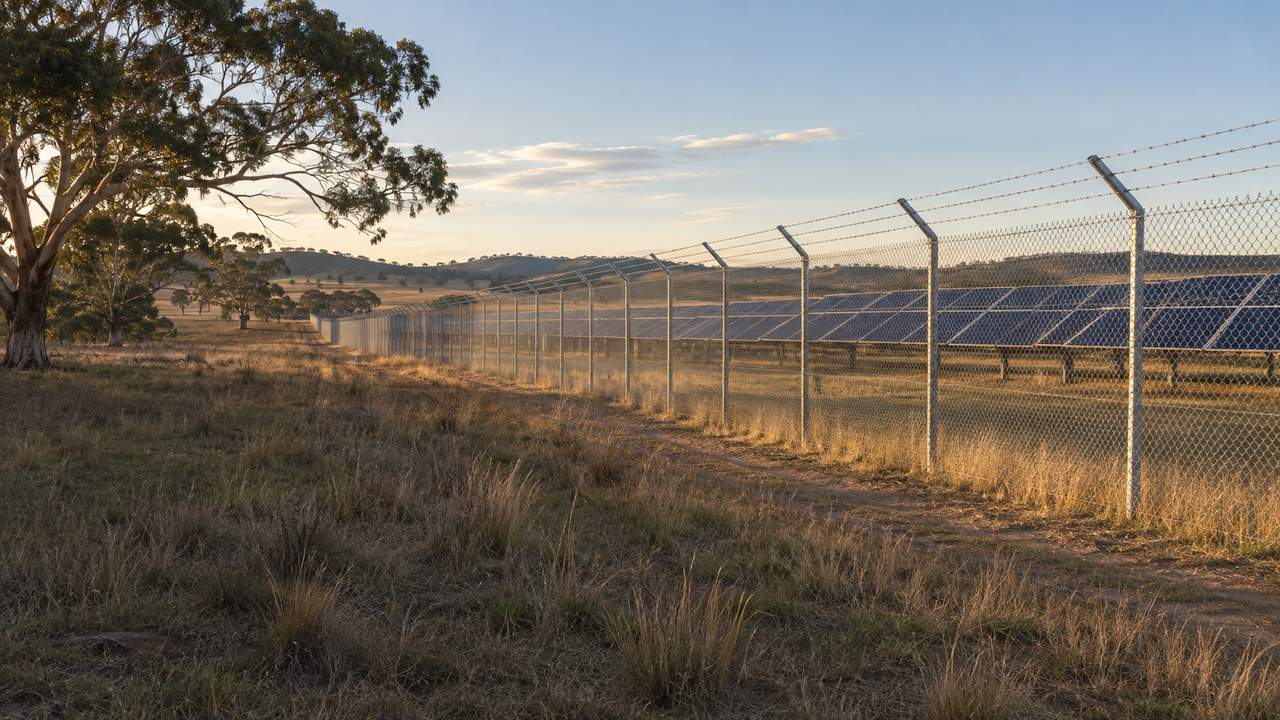
Sale of an Industrial & Commercial Security Fencing Contractor in Regional NSW
Settled July 2026
A founder-owned contractor sold to a bank-backed private buyer, with a guaranteed return on the deferred balance and no earn-out.
- Sale price
- Full asking price
- Cash at completion
- 80%
- First offer
- 10 weeks
- Earn-out
- None
Lead brokerSean Wolrige
Read the case study -
Sale of a Civil Engineering & Project Management Consultancy in QLD/NT
Settled September 2026
A 20-year-old consultancy sold to an international, publicly listed buyer after 45 days on the market, and every employee kept their job.
- Sale value
- $9.5M
- Multiple
- 4.5–4.75x EBITDA
- On the market
- 45 days
- Staff kept on
- 100%
Lead brokerSean Wolrige
Read the case study -
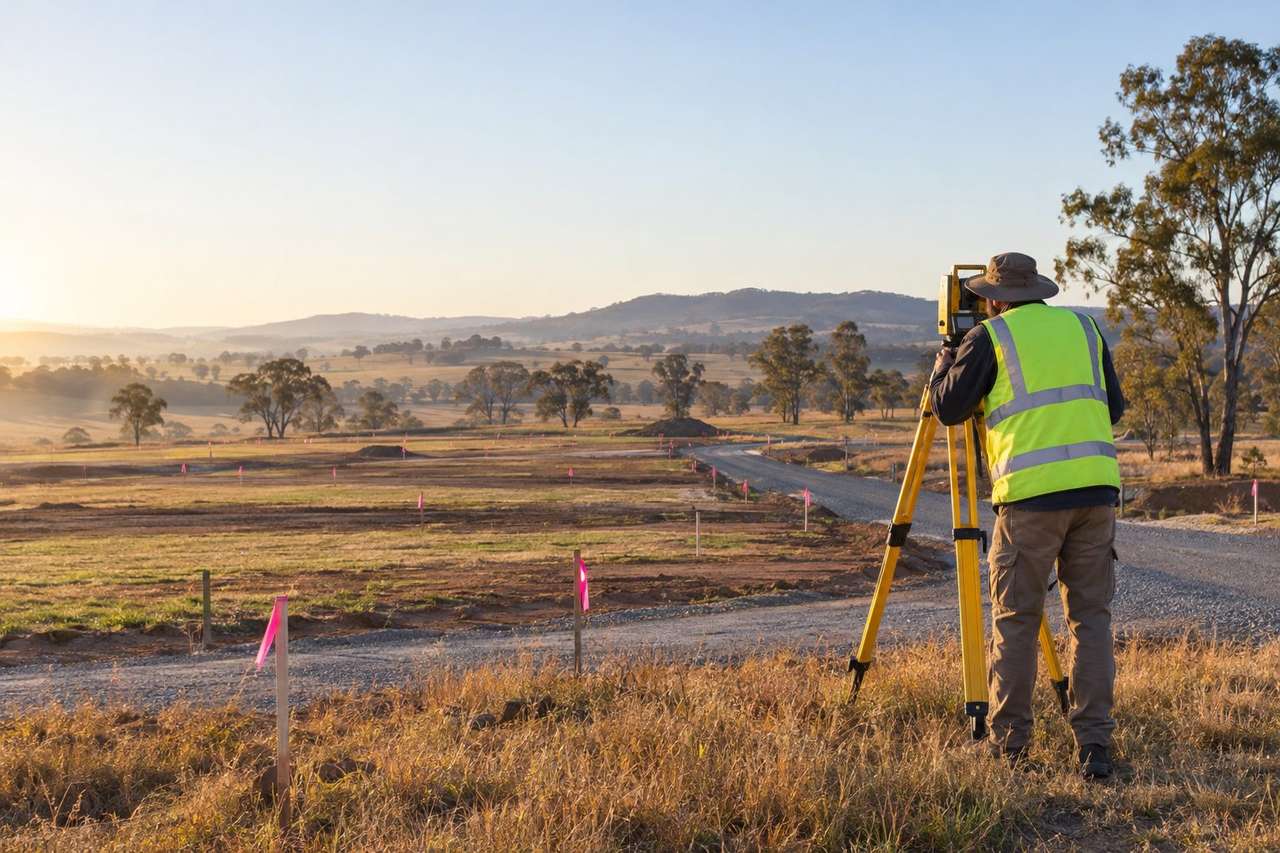
Sale of an Engineering, Surveying & Town Planning Consultancy in Regional NSW
Settled October 2026
The directors sold for succession reasons. The first offer arrived 12 days after the CIM went to buyers, and the local leadership team stayed in place.
- Sale value
- Close to $3M
- Multiple
- About 3.5x EBITDA
- First offer
- 12 days
- Settled in
- 5 months
Lead brokerSean Wolrige
Read the case study -
Sale of an Accredited Electrical Contractor in Sydney
Settled October 2026
A 100% share sale to a growing electrical contractor, almost 50% above the starting valuation, with all staff kept on by the buyer.
- Sale value
- Around $1.4M
- Above valuation
- Almost 50%
- First offer
- 54 days
- Staff kept on
- 100%
Lead brokerSean Wolrige
Read the case study -
Sale of a Student Education Business Fully Under Management in NSW
A highly reputable outdoor education business, run by a management team, sold for 20% above initial expectations after nine offers.
- Revenue
- $5.6M
- EBITDA
- $1.2M
- Sale price
- More than $5M
- Offers
- 9 received
Lead brokerSean Wolrige
Read the case study -
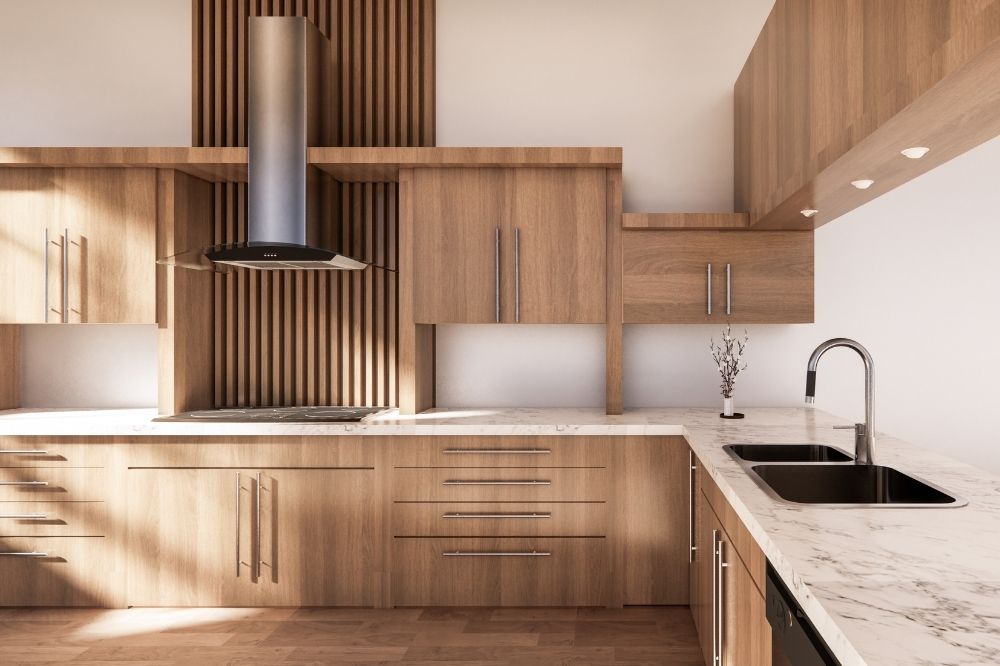
Sale of a Highly Profitable Cabinet Making Business in South East Queensland
Profit growth and a lease review before going to market helped the owner achieve the full asking price from six competitive offers.
- Revenue
- $5M
- EBITDA
- $1M+
- On the market
- 96 days
- Result
- Full asking price
Lead brokerBrendan Morgan
Read the case study -
Sale of a $25M Revenue NDIS Healthcare Provider in South Australia
Marketed on the quality of its contracts and room to grow, rather than current profit, and sold to a private equity-backed healthcare group.
- Revenue
- $25M
- On the market
- 84 days
- Method
- Expressions of interest
- Buyer
- Private equity-backed
Lead brokerNikki Katz
Read the case study -
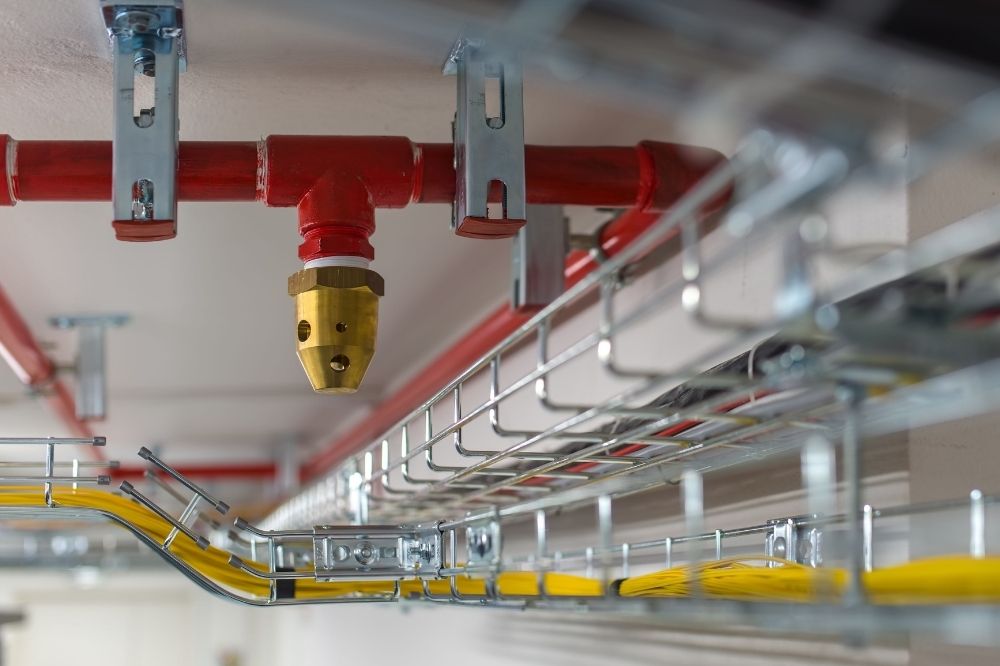
Sale of a Long-Standing Fire Protection Services Business in WA
Restructured from an asset sale to a share sale to suit a buyer from a related industry, and completed in six months.
- Revenue
- $4.6M
- EBITDA
- $1.38M
- Sale price
- About $4.4M
- On the market
- 85 days
Transaction managed byMorgan Business Sales
Read the case study



What these sales have in common
How We Get Results
The industries differ, but the approach behind each result is the same.
- 1
Prepared before going to market
We review the financials, leases, contracts and reliance on the owner before any buyer sees the business, and fix what we can. In the cabinet making sale, profit growth and a lease review lifted the value before launch.
- 2
Marketed confidentially
Buyers sign a confidentiality agreement before they see the Confidential Information Memorandum (CIM), shared through CIM-PRO, Morgan Business Sales’ proprietary deal management platform. Staff, clients and competitors don’t find out early.
- 3
Competition between buyers
We take each business to a wide network of strategic, private equity and listed buyers at the same time. Several offers give the seller choice and leverage, as with the nine offers in the education sale.
- 4
Terms that protect the seller
Price is only part of the deal. We negotiate cash at settlement, earn-outs with clear targets, share or asset sale structure and staff outcomes, so the seller gets the result they set out to achieve.
Questions sellers ask
Frequently Asked Questions
How long does it take to sell a mid-sized business?
It depends on the business, how well it is prepared and the buyer market. In the sales shown here, the businesses spent between about 45 and 96 days on the market, and most moved from appointment to settlement in five to seven months. Sales with more complex structures, such as a staged buyout, can take longer: one here took about 11 months. A business with clean financial records, a management team and documented systems usually sells faster.
What is EBITDA, and what does a “multiple” mean?
EBITDA stands for earnings before interest, tax, depreciation and amortisation. It is a common measure of a business’s yearly profit from its day-to-day operations. Buyers often value a business as a multiple of that profit. For example, a business with $2M EBITDA that sells at 4.5 times EBITDA would sell for around $9M.
What is the difference between a share sale and an asset sale?
In a share sale, the buyer buys the company itself, including its contracts, licences and history. In an asset sale, the buyer buys selected assets, such as equipment, stock, goodwill and the business name, and the seller keeps the company. The right structure depends on tax, licences, contracts and what the buyer needs, and it can change during negotiation.
What is an earn-out?
An earn-out is part of the sale price paid after settlement, but only if the business reaches agreed targets, such as a level of revenue over the following 12 months. It can help close a gap between what the seller wants and what the buyer is ready to pay up front. A good earn-out has clear, measurable targets the seller can check.
How do you keep a business sale confidential?
Buyers sign a confidentiality agreement before they see any details. The Confidential Information Memorandum (CIM), the detailed document that presents the business to buyers, is shared through CIM-PRO, Morgan Business Sales’ proprietary deal management platform. Sellers approve who sees what, access can be switched off at any time, and documents are not emailed around. The case studies on this page leave out the names of buyers, sellers and exact locations for the same reason.
Can I talk to a broker about selling my business?
Yes. You can book a confidential consultation or call 1300 577 297. A broker will talk you through what your business could be worth, which buyers are likely to be interested and how to prepare. There is no obligation to proceed.